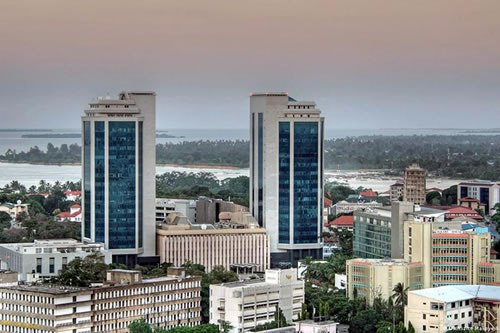
 Late in the nineteenth century, Sultan Sayyid Majid of Zanzibar initiated the transformation of what was then a modest, unremarkable fishing hamlet, a "Haven of Peace," as he dubbed it, into what is today Tanzania's most significant administrative and commercial city- Dar es Salaam.
Dar has managed to keep its laid-back and informal environment, showcasing its attractiveness via its easygoing blend of African and Eastern traditions, despite its current size and population of over 3 million.
Narrow winding streets and low, shuttered buildings from the Arab period give way to vibrant and lively traditional African roadside markets selling spices, tropical fruits, and handicrafts; skyscrapers coexist with the "Hall of Man," a museum housing several of the first finds from the Olduvai Gorge, including the skull of Australopithecus Boisei and other archaeologically significant fossils, as well as displays of the centuries-old Shirazi civilization. There are also open-air marketplaces that sell modern Tanzanian art, including Tingatinga paintings.